
Hillsborough Law – Public Office [Accountability] Bill

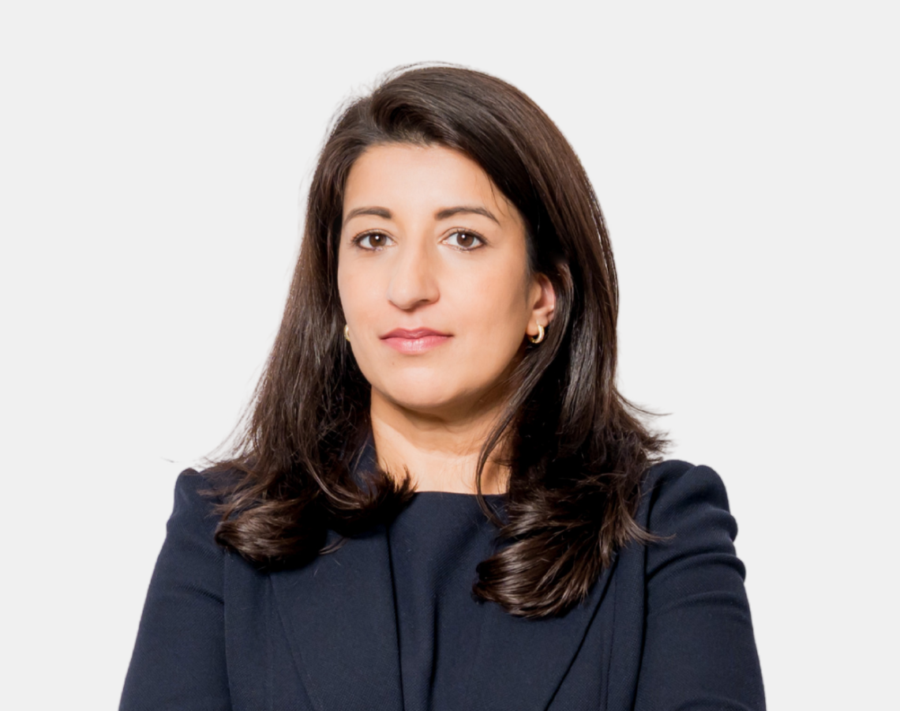
Aliyah Hussain and Ross McQuillan-Johnson recently presented a seminar to Trafford Council (and their healthcare professionals) on inquests and the Public Office (Accountability) Bill, commonly referred to as the Hillsborough Law, and the impact that legislation will have on the authorities.
The Bill will place local authorities and their employees under a statutory duty of candour, requiring proactive openness, full disclosure and cooperation with inquests and investigations. More fundamentally, it is intended to drive a cultural shift away from institutional defensiveness and towards ethical conduct, transparency and frankness being embedded across the organisation as part of everyday public service. The bill also creates two new criminal sanctions.
This seminar provided practical training for local authorities on how the coronial and inquest process operates and, importantly, what that process requires from public bodies involved in an inquest.
It covers the role and function of the coroner and Coroner’s Court, the purpose of an inquest and how it differs from other investigations or litigation, before working through the key stages of an inquest in practice, including Interested Person status, Pre-Inquest Reviews, the determination of scope, evidence, witnesses and the coroner’s management of the investigation.
The training also examines Article 2 inquests, including when Article 2 is engaged and how this affects the scope and approach of the investigation.
The seminar then considered the Public Office (Accountability) Bill and its practical significance for public authorities, with particular focus on candour, openness, transparency and the implications of those duties for organisations participating in inquests. The session provides practical considerations and an insight into the criminal sanctions arising from the bill.
The session concluded with possible outcomes of an inquest, including narrative conclusions, findings of neglect and Prevention of Future Deaths reports, as well as how authorities should respond to those findings and translate learning from an inquest into organisational improvement.
For any enquiries about in-house training for local authorities involved with inquests, please contact:
Mark Heald at Mark.Heald@stjohnsbuildings.co.uk
or Martin Craggs at Martin.Craggs@stjohnsbuildings.co.uk